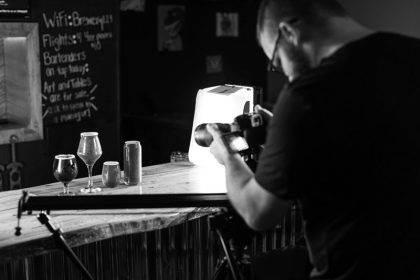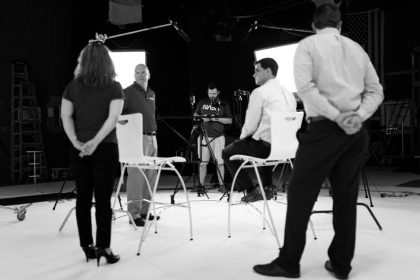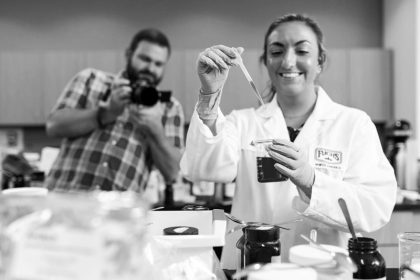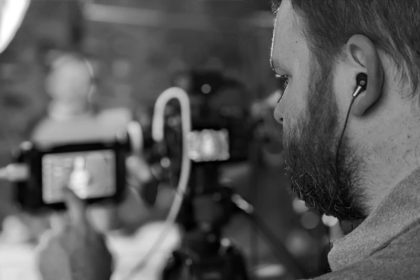

Carroll Lutheran Village is a senior living community in Westminster, and I’ve worked with them for a while. When they launched Healthcare Reimagined, a campaign to raise money to renovate their medical wings, including memory care, they needed a fundraising video. Not a nice video about the campus. A video that asked people to give.
Those are two different jobs, and most of what went right here came from knowing which one we were doing.
The job
Renovating a medical wing isn’t an easy thing to get excited about from the outside. Nobody tours a senior living community hoping to see new flooring in a nursing unit. But the people who live there, the families who visit them and the staff who work there every day know exactly why it matters.
So the video had two things to do. First, help people understand why this work mattered, especially memory care, where the space itself is part of the care. Second, ask them to take part. Plainly, and without making anyone feel guilty for watching.
What I made
One main video that told the story and made the ask. Then three cutdowns: shorter versions built from the same footage, each one able to stand on its own.
The cutdowns were the part people tend to skip, and they shouldn’t. A main video is what you show at an event or put at the top of a campaign page, where people have chosen to sit and watch. Everywhere else, people are scrolling. They’ll give you a few seconds, not a few minutes. A short version that gets to the point fast is what reaches them.
Building the cutdowns from the same shoot also kept everything consistent. Same people, same message, same look, whether someone saw the full video or a short clip in their feed.
How they used it
CLV put the videos everywhere the campaign lived:
- Email, to residents, families and supporters
- Social media, where the shorter cuts did most of the work
- Their website, alongside the campaign details
- Paid ads, to reach people beyond their own list
- And a few other places along the way
That’s the point of making more than one version. The same story showed up in the inbox, in the feed and on the website, in a length that fit each place.
What happened
At last update, the campaign was well on its way to its goal. I’m not going to claim the video raised the money. Donors give because of people, relationships and a cause they believe in, and CLV did the hard work of the campaign. What a good fundraising video does is make the cause easy to understand and easy to share, so the people asking for support aren’t starting from zero every time.
[If CLV shares the goal or a final number, I will update it here in the future.]
What I’d tell any nonprofit planning a fundraising video
If you’re a nonprofit or a senior living community with a campaign coming up, here’s what I’d take from this one.
Decide what the video is asking for. A video that explains who you are is not the same as a video that asks people to give. Both are fine. Pick one.
Show why it matters to people, not buildings. Renovations are about the residents and staff who use the space. Put them at the center.
Plan the cutdowns before the shoot. If you know you’ll need short versions for social media and ads, you can film for them on the same day. That’s far cheaper than going back later.
Use it everywhere, more than once. One email blast isn’t distribution. The campaign runs for months, so the video should too.
If you have a fundraising campaign coming up and want to talk through what a video could do for it, email me at adam@digitalconsultingllc.com. Tell me what you’re raising money for and who you need to reach, and I’ll tell you honestly whether video is the right tool.