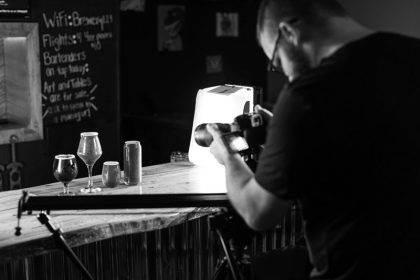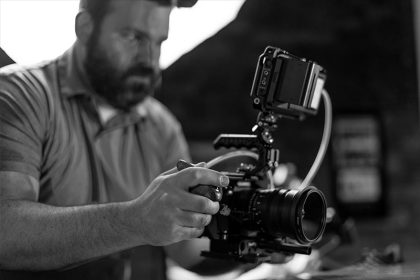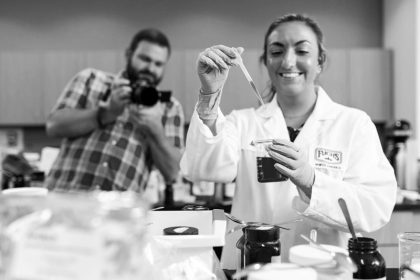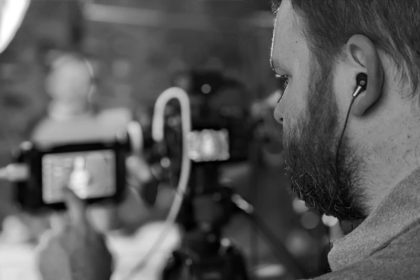

Almost every person I interview tells me the same thing before we start: “I’m terrible on camera.”
They’re almost never right. What they’re actually terrible at is reading a script, performing for a lens and pretending to be someone else. Nobody’s good at that. The good news is you don’t have to be. A strong interview is a conversation with someone who knows the subject, and your people already know the subject better than anyone.
Here’s how to get them ready.
Pick the right people, not just the senior ones
The person with the biggest title isn’t always the best voice. Look for the people your customers already trust: the nurse families ask for by name, the project manager who explains things clearly, the client who tells your story better than you do.
A good mix is usually one leader for the big picture and two or three people who do the work and see the results.
Tell them why they were chosen
People relax when they know why they’re in the chair. “You’re the one who explains this best” goes a long way. “Marketing needs a video by Friday” does not.
Share topics, not a script
Send each person the three or four things we’ll talk about, a few days ahead. Then stop there.
Don’t write out answers. Don’t ask them to memorize anything. The moment someone tries to recite, they start sounding like they’re reading a hostage statement. I’d rather have a slightly messy, honest answer than a polished one nobody believes.
What to tell them about the day itself
- It’s a conversation with me, not the camera. They look at me, not into the lens, and talk the way they’d talk to a customer.
- There are no wrong answers. If they lose their train of thought, we stop and start again. Nobody sees the outtakes.
- Answer in full sentences. My questions won’t be in the final video, so “Families come to us because…” works much better than “Because…”
- Short is fine. Two honest sentences beat two rambling minutes.
- They can ask to redo anything. And I’ll often ask the same question twice. That’s not a bad sign. The second answer is usually the better one.
What to wear
- Solid colors in the middle range: blues, greens, grays, earth tones
- Nothing with small stripes, tight checks or busy patterns, which can shimmer on camera
- No large logos other than your own
- Something they’re comfortable sitting in for 20 minutes
- What they’d normally wear to work, just a slightly better version of it
If you have a branded shirt or uniform your customers recognize, that’s often the right choice.
Set the room up for success
- Book a quiet space away from phones, printers and hallway traffic.
- Schedule people when they’re fresh. Not right after a difficult meeting, and not at 4:45 on a Friday.
- Give them a buffer. Ten minutes before and after, so they’re not watching the clock.
- Keep the audience small. Bosses and coworkers watching from the corner make everyone stiffer. If a leader wants to sit in, I’ll usually ask them to step out for the staff interviews.
What I do on the day
I spend the first few minutes not filming anything important. We talk about their job, their week, whatever comes up. By the time I ask the questions that matter, most people have forgotten the camera is there.
I listen for the moments where someone stops explaining and starts telling a story. Those are the moments that end up in the video, and they’re almost never the ones the person thought would be the highlight.
The one thing that matters most
Give people permission to sound like themselves. Real people saying real things will always be more convincing than a polished performance, and your customers can tell the difference immediately.
If your team is nervous about an upcoming shoot, that’s normal. It’s also my job. Send me a note and I’ll walk you through how we’d handle it.
Want this for your organization?
One day of filming gives you 13 videos and three months of content.