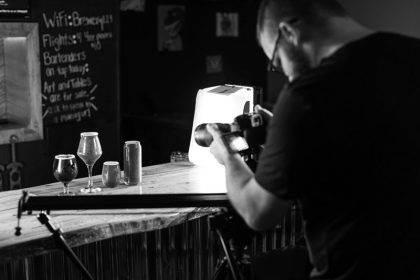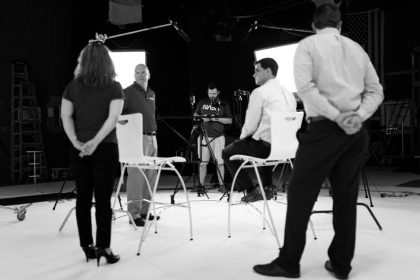

A good video shoot looks easy on the day because the hard part happened in the two weeks before it. When something goes wrong on a shoot, it’s almost never the camera. It’s a missing release form, a conference room that turns out to be booked, or the one person everyone wanted on camera being out sick.
Here’s what to have ready, and when.
Two weeks before
- Name one decision maker. One person who can approve the plan and the final videos. Shoots go sideways when five people each have a vote.
- Approve the message and interview plan. Who we’re talking to, what they need to hear and what we want them to do next. Everything else follows from this.
- Choose your interviewees. Usually one leader and two or three people who do the work or see the results. Tell each of them why they were chosen.
- Book the location and the time. A quiet room for interviews, plus the spaces you want shown: your lobby, your shop floor, your people at work.
- Send your brand files. Your logo, colors and fonts, plus any brand guidelines you have. These go into the titles and graphics.
The week before
- Get releases signed. Everyone who appears on camera needs to sign a release. That includes staff. If you’re filming residents, patients or clients, check what consent your organization requires and who is allowed to give it. I can provide a standard release form.
- Send interviewees their topics. Three or four subjects we’ll talk about. Not a script, and not written answers.
- Tell them what to wear. Solid, mid-tone colors. No small stripes or busy patterns. What they’d normally wear to work, on a good day.
- Let the building know. Front desk, security, anyone whose space we’ll pass through. Nobody likes a surprise camera.
- Confirm parking and access. Where to park, which door to use and where to load in equipment.
The day of the video shoot
- Have one person on point. Someone who knows the building, can find a key and can keep the schedule moving.
- Clear the shots. Tidy desks, hide cords, take down outdated signs. It’s much easier than fixing them in editing.
- Silence what you can. Phones, overhead pages, the vacuum cleaner that always runs at 10 a.m.
- Keep the audience small. Bosses watching from the corner make everyone stiffer. Staff interviews go better without them in the room.
- Leave a buffer around each interview. Ten minutes before and after, so nobody is rushed or watching the clock.
If you need to move the date, the earlier you say so the better. A few days’ notice makes rescheduling simple for everyone.
After the videos arrive
- Review them together, once. Gather all your changes into one list from your decision maker, rather than a trickle of emails from different people.
- Send feedback within a few days. Momentum matters. Projects that sit in someone’s inbox for a month rarely improve.
- Store the files somewhere safe. Keep your own copy of the final videos in a shared folder your team can find.
- Start the publishing plan. The videos only work if they get posted. Week 1 starts the day you approve them.
The short version
One decision maker, an approved plan, the right people booked, releases signed and a quiet room. Get those five right and your video shoot will feel easy, even if it’s your team’s first time on camera.
If you’re planning a shoot and want a hand with any of this, email me. I’m happy to walk through it with you.
Want this for your organization?
One day of filming gives you 13 videos and three months of content.